
Pulmonary Disease Pattern On Ekg
Pulmonary Disease Pattern On Ekg - The prevalence of some electrocardiographic (ecg) abnormalities in severe versus mild or moderate chronic obstructive pulmonary disease (copd) has been reported. •right axis deviation or vertical axis of the qrs complex. Electrocardiographic (ecg) findings may help in clinical decision making regarding this disease entity. This pattern is characterized by a large s wave in lead i, a q wave in lead iii, and an inverted t wave in lead iii. •right axis deviation of the p waves. Our aim was to separate the effects on ecg by airway obstruction, emphysema and right ventricular (rv) afterload in patients with copd. (see also electrocardiography in cardiovascular disorders.) Web this article will discuss the most common pulmonary diseases and disorders of ventilatory control that cause pulmonary vascular abnormalities and cor pulmonale, with particular concentration on how treatment of these diseases may affect the heart. Increased stimulation of the sympathetic nervous system due to pain, anxiety and hypoxia. Web ecg abnormalities are common in patients with pulmonary embolism, with the most frequent being sinus tachycardia, right ventricular strain, and the classic s1q3t3 pattern. Web ecg abnormalities are common in patients with pulmonary embolism, with the most frequent being sinus tachycardia, right ventricular strain, and the classic s1q3t3 pattern. This pattern is characterized by a large s wave in lead i, a q wave in lead iii, and an inverted t wave in lead iii. •right axis deviation of the p waves. Ecg findings often suggest right ventricular pressure overload or strain. Web chronic obstructive pulmonary diseases (copd), a broad spectrum of respiratory diseases represents a worldwide problem. •right axis deviation or vertical axis of the qrs complex. Electrocardiographic (ecg) findings may help in clinical decision making regarding this disease entity. The prevalence of some electrocardiographic (ecg) abnormalities in severe versus mild or moderate chronic obstructive pulmonary disease (copd) has been reported. Web electrocardiography (ecg) is a useful adjunct to other pulmonary tests because it provides information about the right side of the heart and therefore pulmonary disorders such as chronic pulmonary hypertension and pulmonary embolism. Dilation of the right atrium and right ventricle with consequent shift in the position of the heart. This pattern is characterized by a large s wave in lead i, a q wave in lead iii, and an inverted t wave in lead iii. Web ecg changes occur in chronic obstructive pulmonary disease (copd) due to: Web ecg abnormalities are common in patients with pulmonary embolism, with the most frequent being sinus tachycardia, right ventricular strain, and the. •right axis deviation of the p waves. Ecgs were interpreted blindly in 63 patients with severe copd (group 1) versus 83 patients with mild or moderate copd (group 2). Web aggregation of data from echocardiography, heart catheterisation and spirometry allowed us to relate ecg patterns in copd to the separated, graded effects of emphysema, airway obstruction and rv afterload. Web. Ecg changes commonly associated with pulmonary diseases such as copd. Web ecg changes in pe are related to: Web ecg changes occur in chronic obstructive pulmonary disease (copd) due to: The prevalence of some electrocardiographic (ecg) abnormalities in severe versus mild or moderate chronic obstructive pulmonary disease (copd) has been reported. Web aggregation of data from echocardiography, heart catheterisation and. Web ecg changes occur in chronic obstructive pulmonary disease (copd) due to: •right axis deviation of the p waves. Web this article will discuss the most common pulmonary diseases and disorders of ventilatory control that cause pulmonary vascular abnormalities and cor pulmonale, with particular concentration on how treatment of these diseases may affect the heart. Dilation of the right atrium. Web ecg abnormalities are common in patients with pulmonary embolism, with the most frequent being sinus tachycardia, right ventricular strain, and the classic s1q3t3 pattern. •right axis deviation or vertical axis of the qrs complex. Web objective patients with chronic obstructive pulmonary disease (copd) often have abnormal ecgs. Increased stimulation of the sympathetic nervous system due to pain, anxiety and. Web chronic obstructive pulmonary diseases (copd), a broad spectrum of respiratory diseases represents a worldwide problem. Web ecg changes occur in chronic obstructive pulmonary disease (copd) due to: Increased stimulation of the sympathetic nervous system due to pain, anxiety and hypoxia. Web this article will discuss the most common pulmonary diseases and disorders of ventilatory control that cause pulmonary vascular. Electrocardiographic (ecg) findings may help in clinical decision making regarding this disease entity. Web chronic obstructive pulmonary diseases (copd), a broad spectrum of respiratory diseases represents a worldwide problem. Web ecg abnormalities are common in patients with pulmonary embolism, with the most frequent being sinus tachycardia, right ventricular strain, and the classic s1q3t3 pattern. Ecg changes commonly associated with pulmonary. Ecg changes commonly associated with pulmonary diseases such as copd. Ecgs were interpreted blindly in 63 patients with severe copd (group 1) versus 83 patients with mild or moderate copd (group 2). This pattern is characterized by a large s wave in lead i, a q wave in lead iii, and an inverted t wave in lead iii. Web aggregation. This pattern is characterized by a large s wave in lead i, a q wave in lead iii, and an inverted t wave in lead iii. Web ecg changes in pe are related to: Ecg findings often suggest right ventricular pressure overload or strain. Ecg changes commonly associated with pulmonary diseases such as copd. Web this article will discuss the. •right axis deviation of the p waves. Web this article will discuss the most common pulmonary diseases and disorders of ventilatory control that cause pulmonary vascular abnormalities and cor pulmonale, with particular concentration on how treatment of these diseases may affect the heart. •right axis deviation or vertical axis of the qrs complex. Electrocardiographic (ecg) findings may help in clinical. Ecg findings often suggest right ventricular pressure overload or strain. Web electrocardiography (ecg) is a useful adjunct to other pulmonary tests because it provides information about the right side of the heart and therefore pulmonary disorders such as chronic pulmonary hypertension and pulmonary embolism. Increased stimulation of the sympathetic nervous system due to pain, anxiety and hypoxia. •right axis deviation or vertical axis of the qrs complex. •right axis deviation of the p waves. Web chronic obstructive pulmonary diseases (copd), a broad spectrum of respiratory diseases represents a worldwide problem. Dilation of the right atrium and right ventricle with consequent shift in the position of the heart. The prevalence of some electrocardiographic (ecg) abnormalities in severe versus mild or moderate chronic obstructive pulmonary disease (copd) has been reported. This pattern is characterized by a large s wave in lead i, a q wave in lead iii, and an inverted t wave in lead iii. Web aggregation of data from echocardiography, heart catheterisation and spirometry allowed us to relate ecg patterns in copd to the separated, graded effects of emphysema, airway obstruction and rv afterload. Web objective patients with chronic obstructive pulmonary disease (copd) often have abnormal ecgs. Ecgs were interpreted blindly in 63 patients with severe copd (group 1) versus 83 patients with mild or moderate copd (group 2). (see also electrocardiography in cardiovascular disorders.) Web ecg abnormalities are common in patients with pulmonary embolism, with the most frequent being sinus tachycardia, right ventricular strain, and the classic s1q3t3 pattern. Web this article will discuss the most common pulmonary diseases and disorders of ventilatory control that cause pulmonary vascular abnormalities and cor pulmonale, with particular concentration on how treatment of these diseases may affect the heart. The presence of hyperexpanded emphysematous lungs within the chest;
ECG in Chronic Obstructive Pulmonary Disease • LITFL • ECG Library
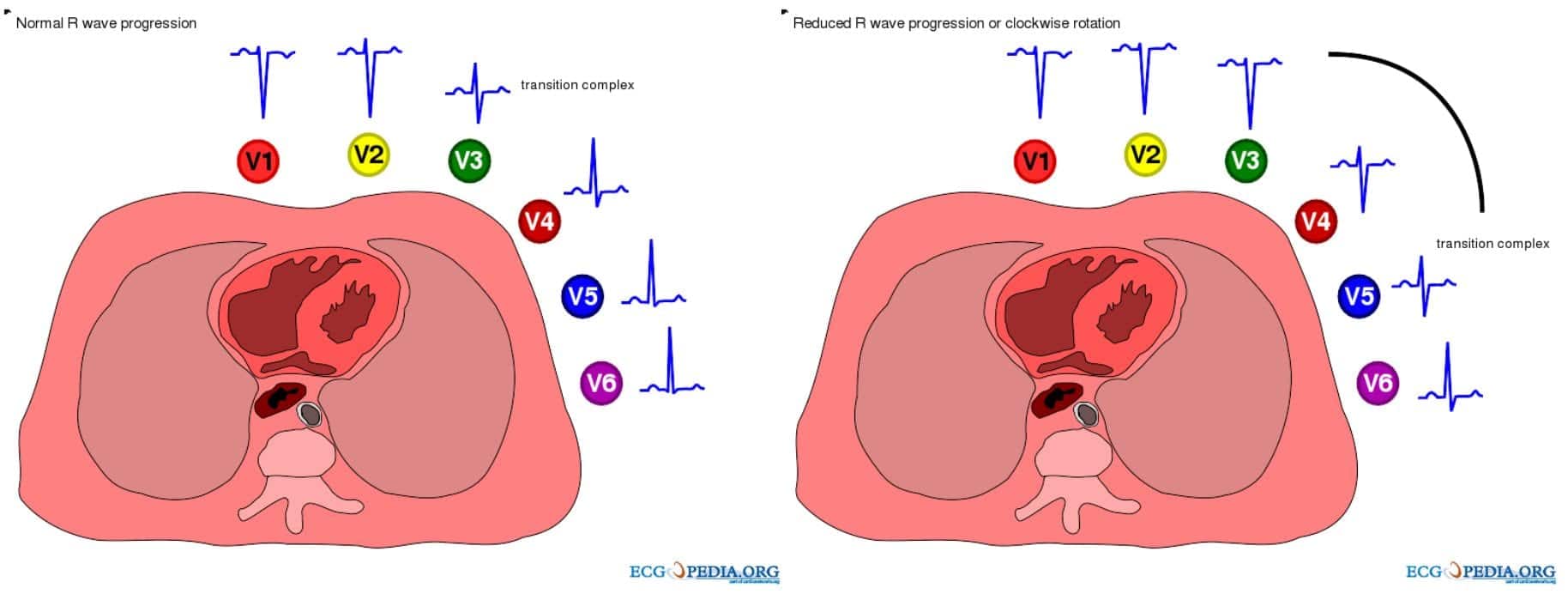
ECG in Chronic Obstructive Pulmonary Disease • LITFL • ECG Library
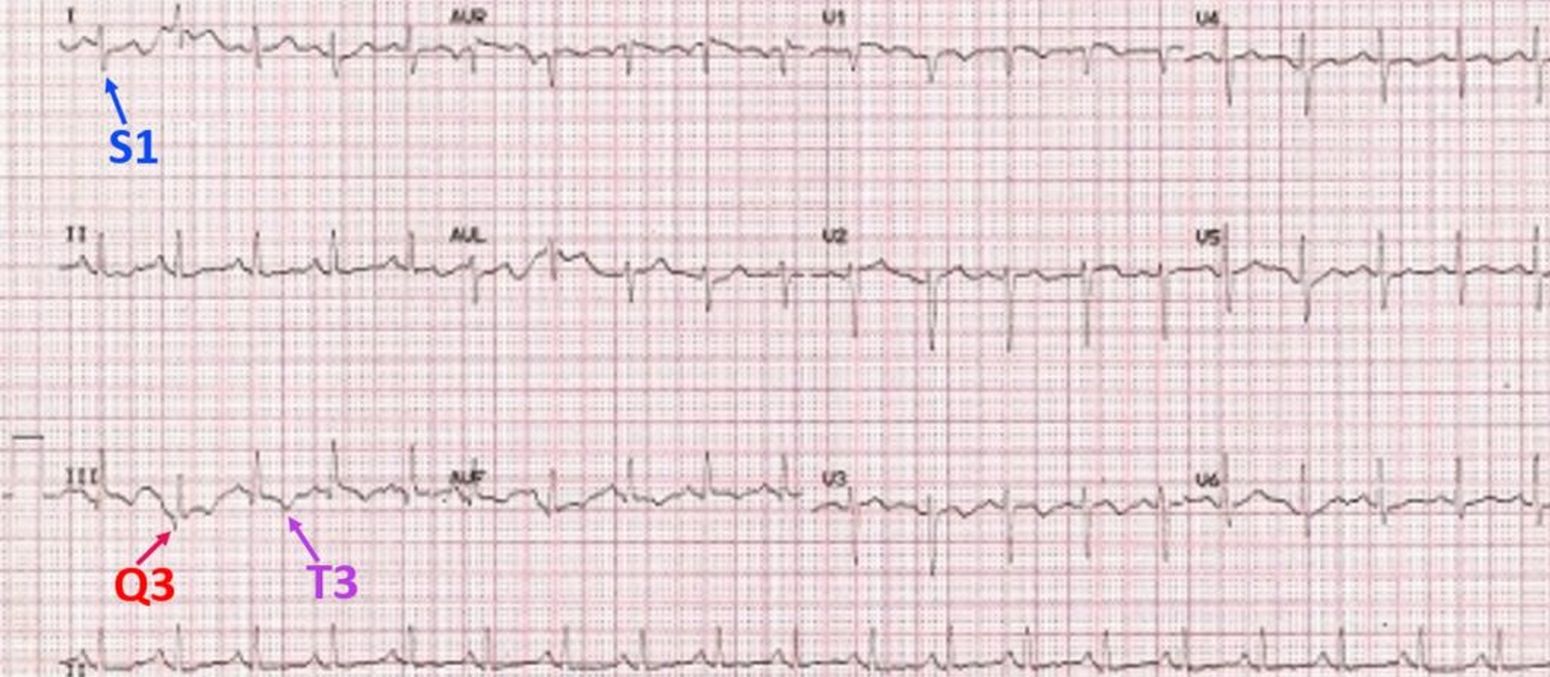
pulmonary disease pattern ecg Hình ảnh có liên quan Diseases Club
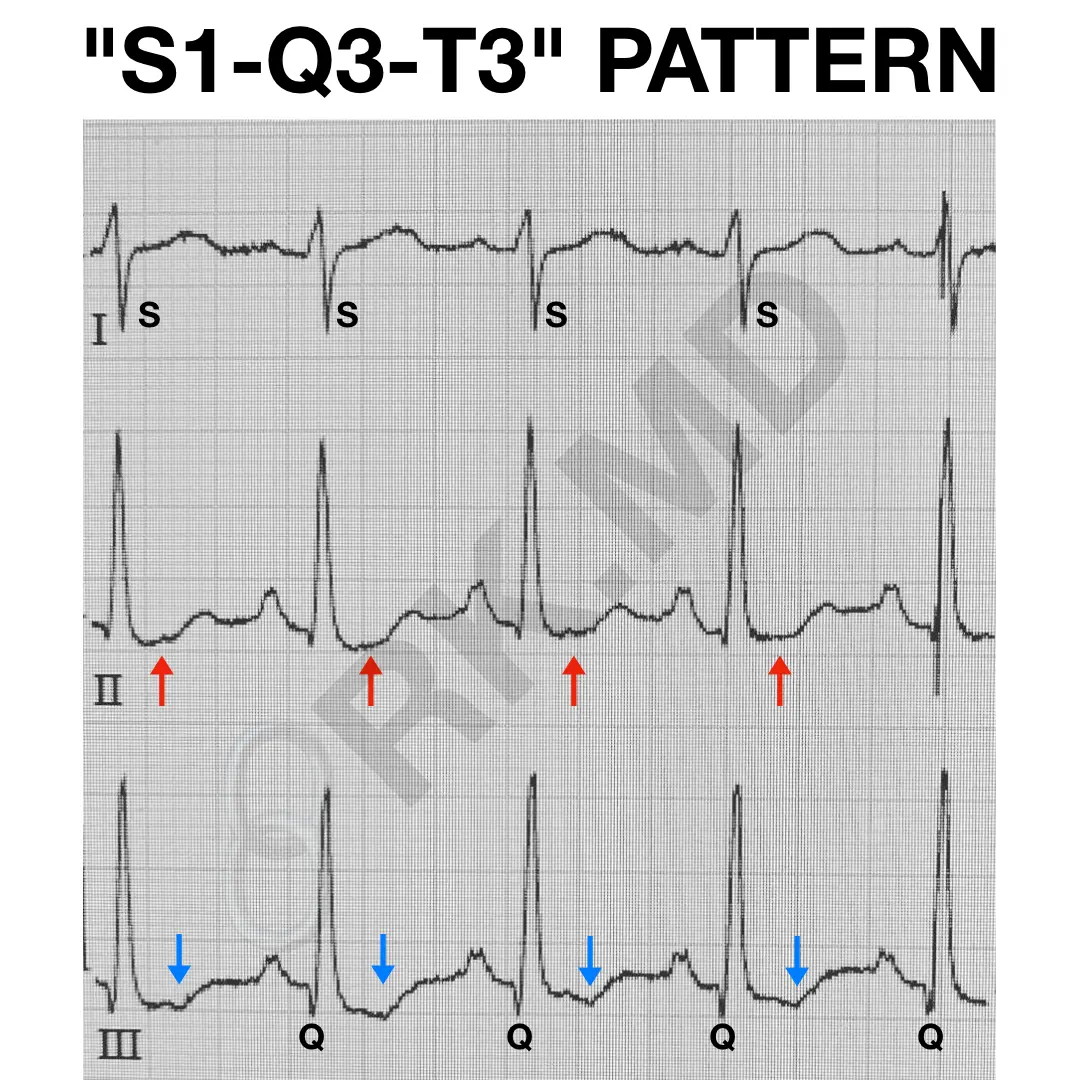
S1Q3T3 EKG Pattern RK.MD
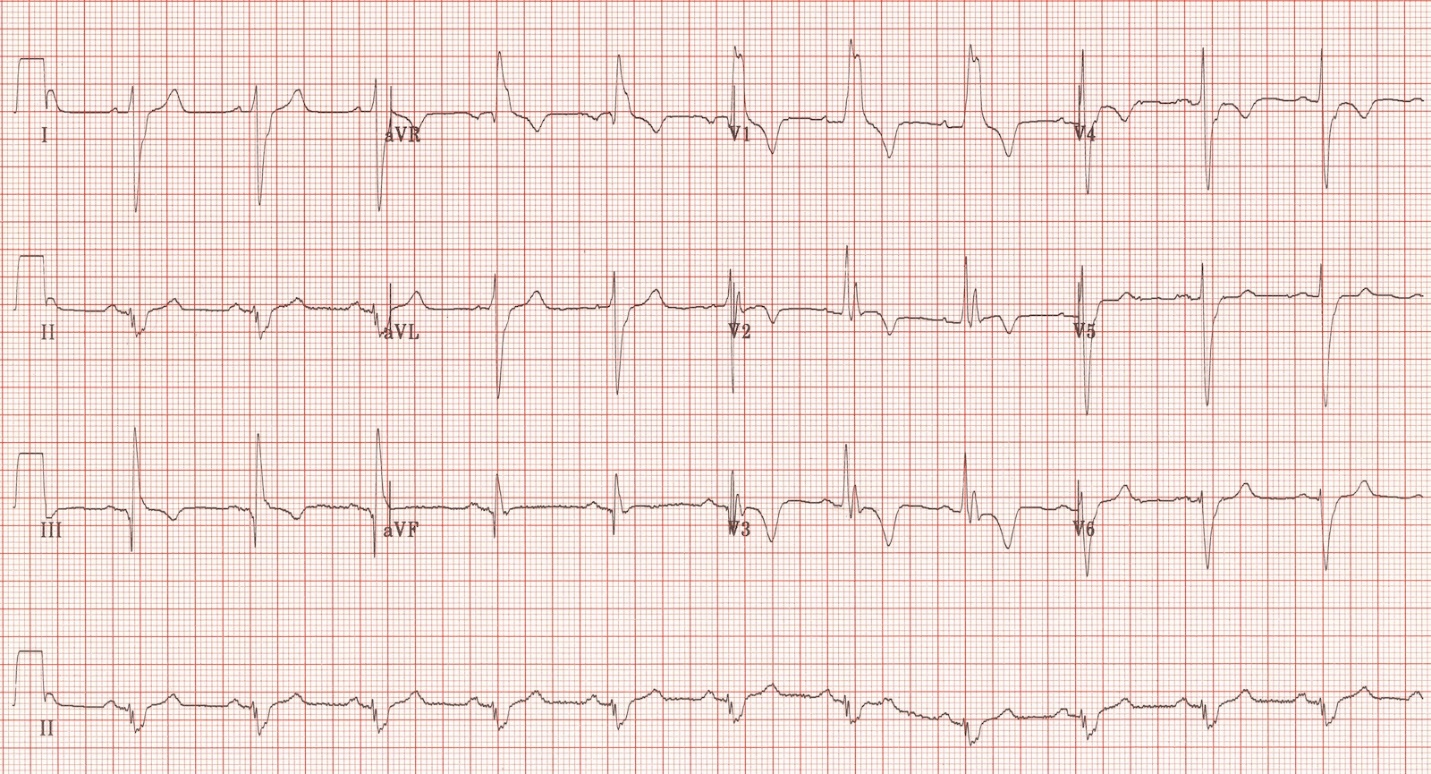
Pulmonary Embolism ECG New Health Advisor

S1Q3T3 on ECG in a patient with Acute Pulmonary Embolism GrepMed

Pulmonary Embolism (PE) Causes, symptoms, diagnosis, treatment

The ECG's of Pulmonary Embolism Resus

Pulmonary Disease Pattern On Ekg Pattern.rjuuc.edu.np
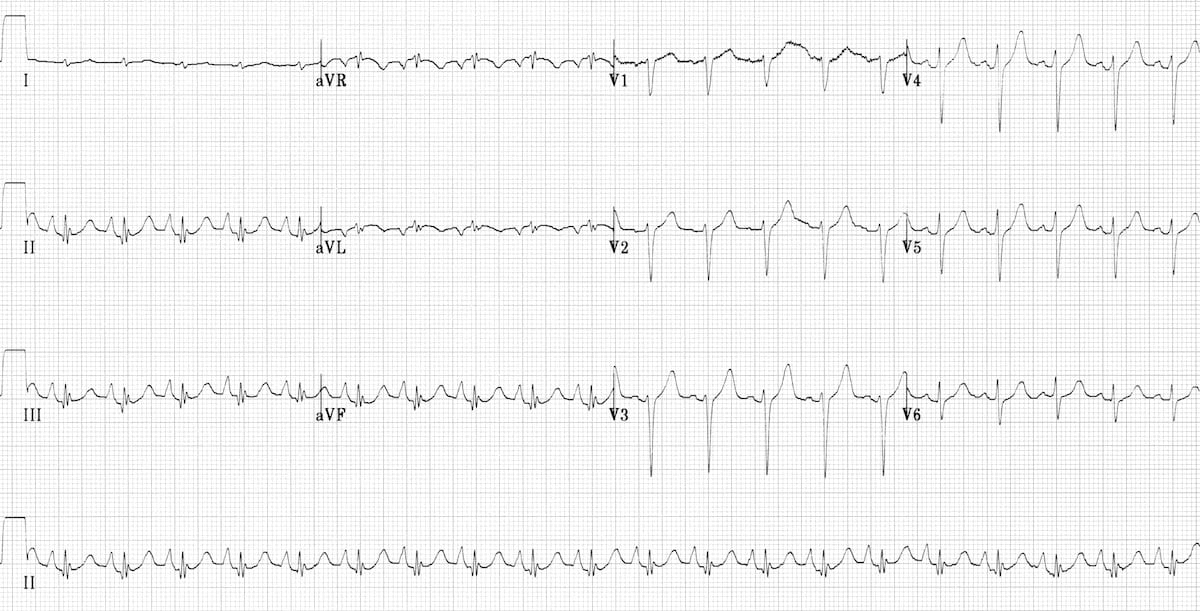
ECG in Chronic Obstructive Pulmonary Disease • LITFL • ECG Library
Electrocardiographic (Ecg) Findings May Help In Clinical Decision Making Regarding This Disease Entity.
Web Ecg Changes Occur In Chronic Obstructive Pulmonary Disease (Copd) Due To:
Web Ecg Changes In Pe Are Related To:
Our Aim Was To Separate The Effects On Ecg By Airway Obstruction, Emphysema And Right Ventricular (Rv) Afterload In Patients With Copd.
Related Post: