
Dna Sulfuric Bridge Pattern
Dna Sulfuric Bridge Pattern - Web dna (deoxyribose nucleic acid), discovered in 1869 by friedrich miescher, is composed of four bases (guanine, cytosine, adenine, thymine). In proteins like cystine, the addition of a sulfide bond can link together not just monomers, but entire lengths of protein to form secondary protein structure, like beta sheets. Web the variation, in which a sulfur atom replaces one of the nonbridging oxygen atoms in a phosphate group that links dna nucleotides together, is called phosphorothioation and is the first known physiological modification of dna's backbone. The bases are connected to a sugar (deoxyribose), and sugars are interconnected through phosphate linkages to form a long, unbranched chain. Web dna sequencing is the process of determining the nucleotide sequence of a given dna fragment. The sequence of the dna of a living thing encodes the necessary information for that living thing to survive and reproduce. Web dna sequencing is the process of determining the nucleotide sequence of a given dna fragment. The sequence of the dna of a living thing encodes the necessary information for that living thing to survive and reproduce. In proteins like cystine, the addition of a sulfide bond can link together not just monomers, but entire lengths of protein to form secondary protein structure, like beta sheets. Web the variation, in which a sulfur atom replaces one of the nonbridging oxygen atoms in a phosphate group that links dna nucleotides together, is called phosphorothioation and is the first known physiological modification of dna's backbone. Web dna (deoxyribose nucleic acid), discovered in 1869 by friedrich miescher, is composed of four bases (guanine, cytosine, adenine, thymine). The bases are connected to a sugar (deoxyribose), and sugars are interconnected through phosphate linkages to form a long, unbranched chain. Web dna (deoxyribose nucleic acid), discovered in 1869 by friedrich miescher, is composed of four bases (guanine, cytosine, adenine, thymine). In proteins like cystine, the addition of a sulfide bond can link together not just monomers, but entire lengths of protein to form secondary protein structure, like beta sheets. The sequence of the dna of a living thing encodes the. Web the variation, in which a sulfur atom replaces one of the nonbridging oxygen atoms in a phosphate group that links dna nucleotides together, is called phosphorothioation and is the first known physiological modification of dna's backbone. Web dna (deoxyribose nucleic acid), discovered in 1869 by friedrich miescher, is composed of four bases (guanine, cytosine, adenine, thymine). The bases are. Web dna sequencing is the process of determining the nucleotide sequence of a given dna fragment. In proteins like cystine, the addition of a sulfide bond can link together not just monomers, but entire lengths of protein to form secondary protein structure, like beta sheets. The sequence of the dna of a living thing encodes the necessary information for that. In proteins like cystine, the addition of a sulfide bond can link together not just monomers, but entire lengths of protein to form secondary protein structure, like beta sheets. Web the variation, in which a sulfur atom replaces one of the nonbridging oxygen atoms in a phosphate group that links dna nucleotides together, is called phosphorothioation and is the first. Web the variation, in which a sulfur atom replaces one of the nonbridging oxygen atoms in a phosphate group that links dna nucleotides together, is called phosphorothioation and is the first known physiological modification of dna's backbone. The bases are connected to a sugar (deoxyribose), and sugars are interconnected through phosphate linkages to form a long, unbranched chain. The sequence. The sequence of the dna of a living thing encodes the necessary information for that living thing to survive and reproduce. Web dna sequencing is the process of determining the nucleotide sequence of a given dna fragment. The bases are connected to a sugar (deoxyribose), and sugars are interconnected through phosphate linkages to form a long, unbranched chain. In proteins. In proteins like cystine, the addition of a sulfide bond can link together not just monomers, but entire lengths of protein to form secondary protein structure, like beta sheets. Web dna (deoxyribose nucleic acid), discovered in 1869 by friedrich miescher, is composed of four bases (guanine, cytosine, adenine, thymine). Web the variation, in which a sulfur atom replaces one of. Web dna (deoxyribose nucleic acid), discovered in 1869 by friedrich miescher, is composed of four bases (guanine, cytosine, adenine, thymine). The bases are connected to a sugar (deoxyribose), and sugars are interconnected through phosphate linkages to form a long, unbranched chain. In proteins like cystine, the addition of a sulfide bond can link together not just monomers, but entire lengths. Web the variation, in which a sulfur atom replaces one of the nonbridging oxygen atoms in a phosphate group that links dna nucleotides together, is called phosphorothioation and is the first known physiological modification of dna's backbone. Web dna (deoxyribose nucleic acid), discovered in 1869 by friedrich miescher, is composed of four bases (guanine, cytosine, adenine, thymine). The sequence of. Web dna sequencing is the process of determining the nucleotide sequence of a given dna fragment. The sequence of the dna of a living thing encodes the necessary information for that living thing to survive and reproduce. The bases are connected to a sugar (deoxyribose), and sugars are interconnected through phosphate linkages to form a long, unbranched chain. In proteins. The sequence of the dna of a living thing encodes the necessary information for that living thing to survive and reproduce. Web dna sequencing is the process of determining the nucleotide sequence of a given dna fragment. The bases are connected to a sugar (deoxyribose), and sugars are interconnected through phosphate linkages to form a long, unbranched chain. Web dna (deoxyribose nucleic acid), discovered in 1869 by friedrich miescher, is composed of four bases (guanine, cytosine, adenine, thymine).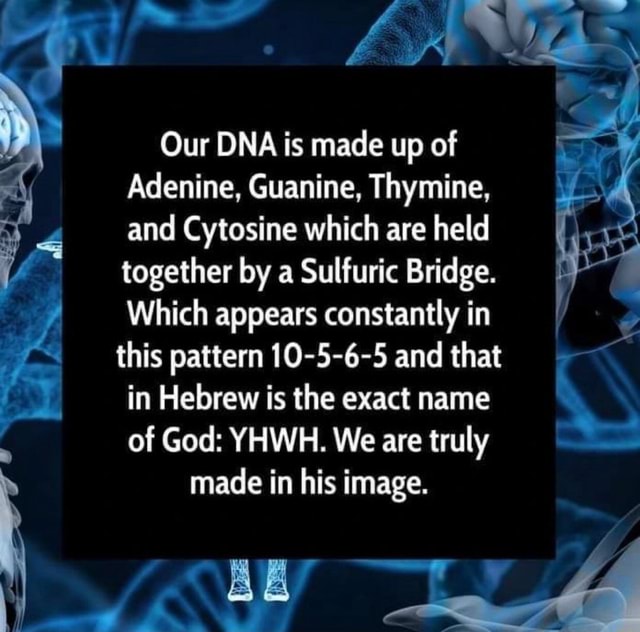
Our DNA is made up of Adenine, Guanine, Thymine, and Cytosine which are

The architects of bacterial DNA bridges a structurally and
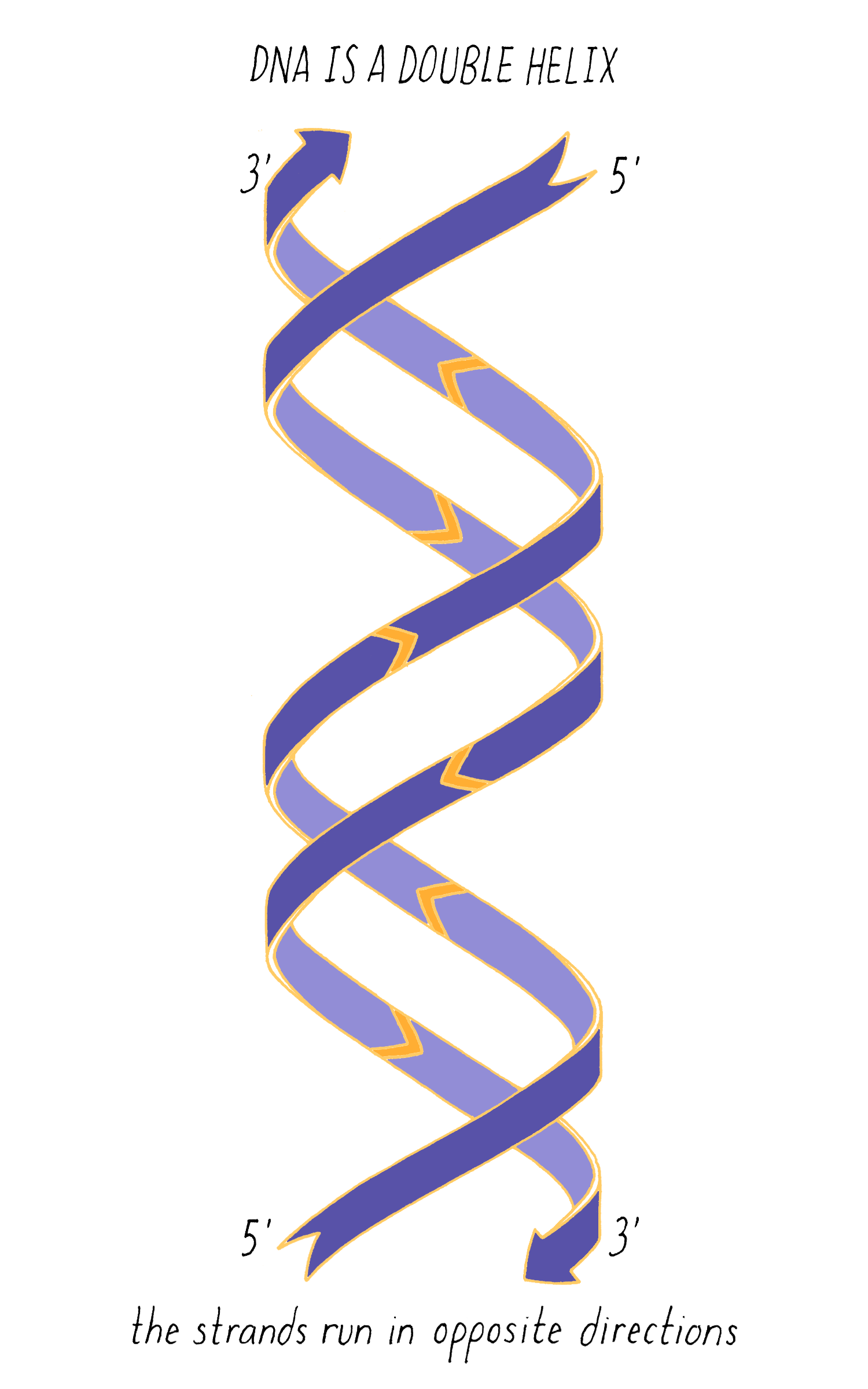
The Structure of DNA by Ron Vale
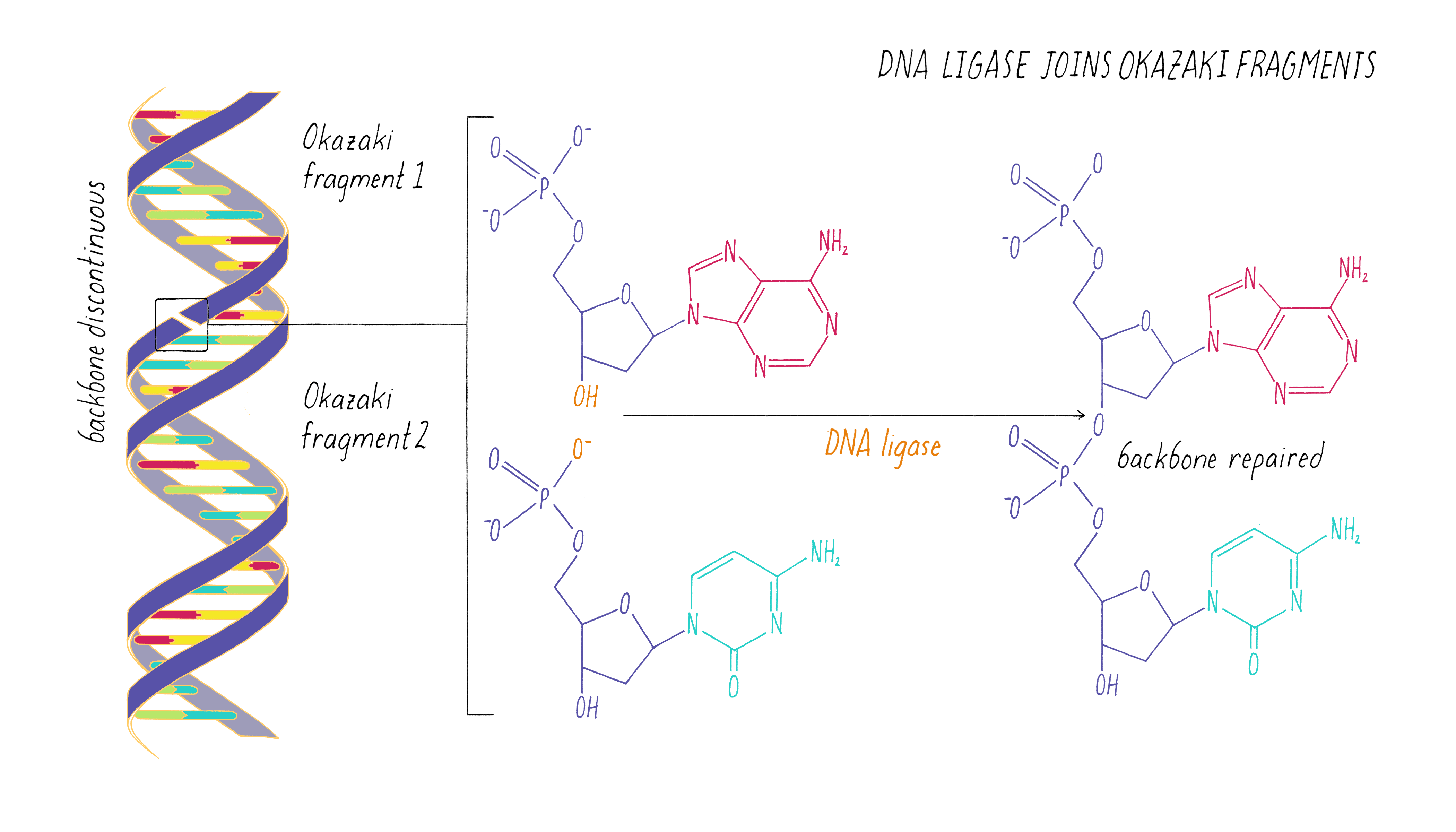
The Structure of DNA by Ron Vale

Dna Double Helix Labeled Diagram vrogue.co
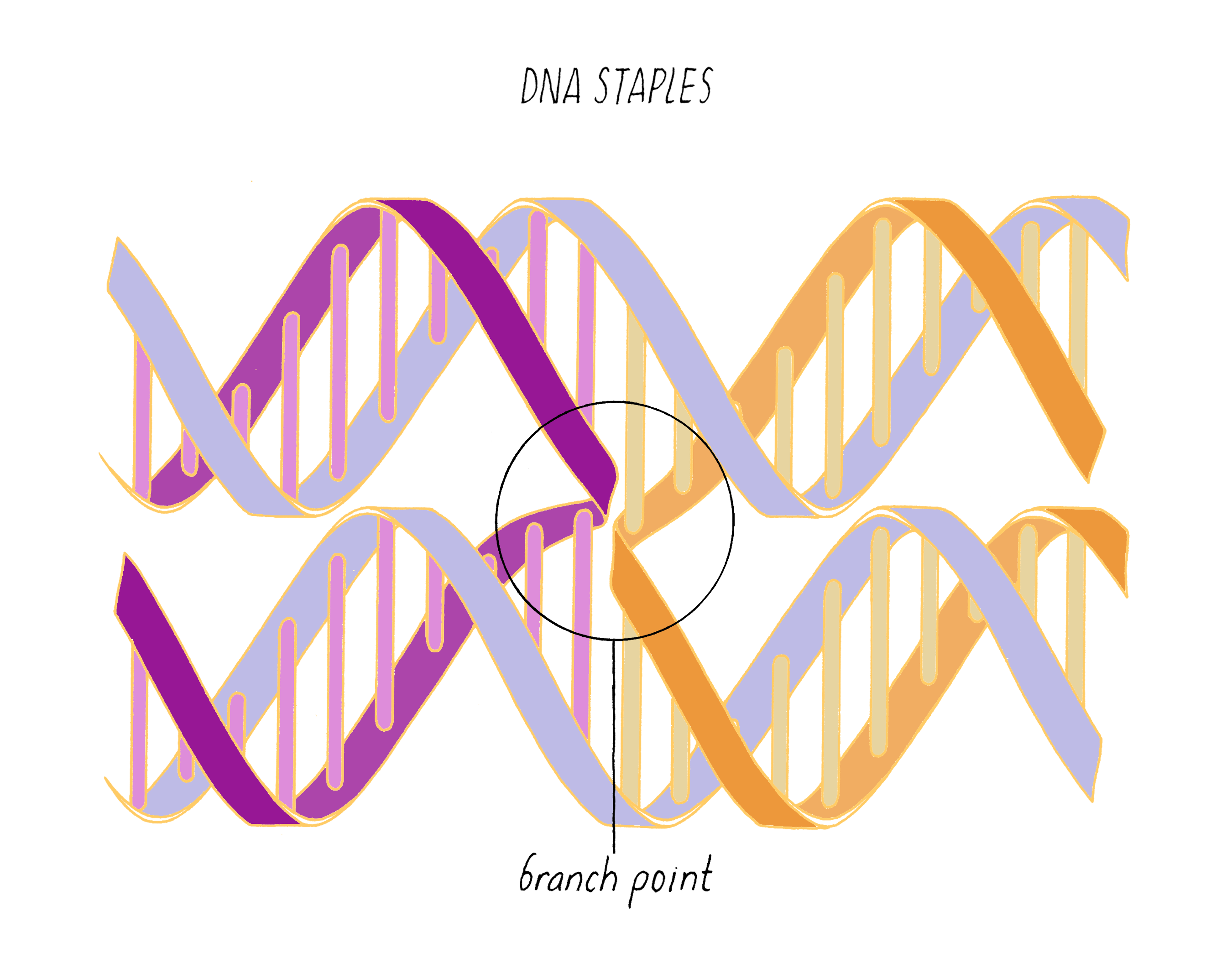
The Structure of DNA by Ron Vale

Dna Is Described Best as a Double Helix

The architects of bacterial DNA bridges a structurally and
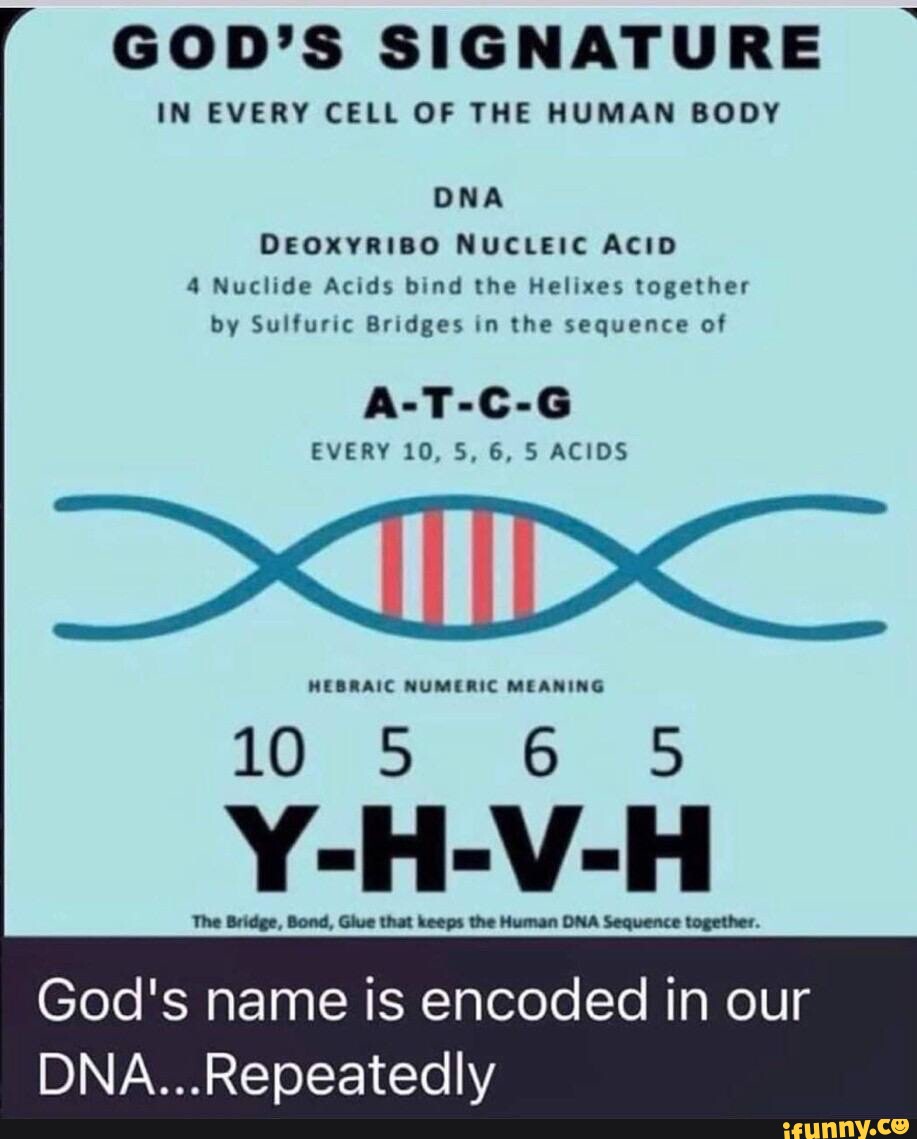
GOD'S SIGNATURE IN EVERY CELL OF THE HUMAN BODY DNA DEOXYRIBO NUCLEIC
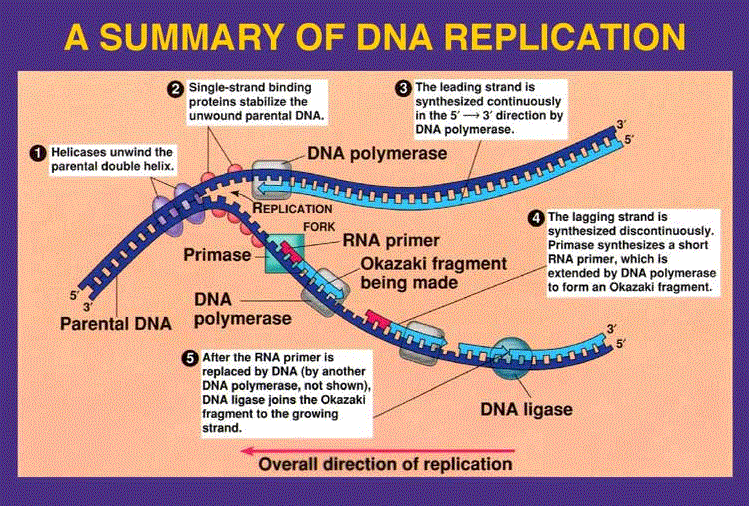
Replication of DNA summary A Level H1 and H2 Biology
In Proteins Like Cystine, The Addition Of A Sulfide Bond Can Link Together Not Just Monomers, But Entire Lengths Of Protein To Form Secondary Protein Structure, Like Beta Sheets.
Web The Variation, In Which A Sulfur Atom Replaces One Of The Nonbridging Oxygen Atoms In A Phosphate Group That Links Dna Nucleotides Together, Is Called Phosphorothioation And Is The First Known Physiological Modification Of Dna's Backbone.
Related Post: