
Clouser Minnow Fly Pattern
Clouser Minnow Fly Pattern - Improve your fly tying skills here. Web bob clouser demonstrates tying his clouser minnow, a very effective fly in both freshwater and saltwater and great for bass, redfish and many other species. Web the clouser minnow is a baitfish pattern that is fished quite progressively. The eyes tied on top of the shank cause the hook to move through the water point up that produces a jigging. Web the clouser minnow fly pattern is one of the most effective fly patterns ever. These two fly patterns should be the foundation patterns of any predator box. Easy to tie, highly effective and very versatile, tie this pattern in sizes that range from a few inches up to 8 inches in length. (click the links below to purchase the materials from charlie) hook: Web clouser minnow recipe. Improve your fly tying skills here. Improve your fly tying skills here. These #2 flies are approx. Web the clouser minnow is a baitfish pattern that is fished quite progressively. Find the right clouser monnow fly pattern for you today! (click the links below to purchase the materials from charlie) hook: These two fly patterns should be the foundation patterns of any predator box. Simplicity is the pattern's strength, and you can adapt it to your fly fishing situation. The clouser minnow has caught more saltwater fish than any other fly invented. In this great video from tim flagler of tightline productions, he walks you through his steps for creating a flounder snack. Web no box should be without a significant collection of clouser flies in all colors and sizes. If you’ve ever tied a clouser minnow. Web clouser minnow flies are some of the most effective underwater fishing flies on the market. Web no box should be without a significant collection of clouser flies in all colors and sizes. 3 1/2 inches (9 cm) long. Find the right clouser monnow fly pattern for you today! Web the clouser fly minnow, often called the clouser, is a highly versatile and effective fly pattern for catching a wide range of fish species. Simplicity is the pattern's strength, and you can adapt it to your fly fishing situation. These #2 flies are approx. Web clouser minnow recipe. Web the clouser minnow catches everything from tuna to bullfrogs. Improve your fly tying skills here. Its realistic appearance, versatility, and effectiveness in imitating baitfish make it a reliable choice for various species in both freshwater and saltwater environments. Easy to tie, highly effective and very versatile, tie this pattern in sizes that range from a few inches up to 8 inches in length. Pink/white, chartreuse/white, and tutti frutti (pink/chartreuse). Web clouser’s fly shop is owned by bob clouser, creator of the famed clouser minnow fly pattern. Most of my clouser fishing, whether for smallmouth bass or saltwater estuaries species, is done on my 8wt rod and reel setup with a wf 9 floating rio line. Web the clouser minnow is a saltwater steamer pattern developed by bob clouser and. Web clouser minnow recipe. Painted lead or brass eyes, sized to hook; Its simplicity and versatility are a huge reason for this, and because of this. Improve your fly tying skills here. Developed by bob clouser, a renowned fishing legend, this fly has become a staple in anglers’ tackle boxes worldwide. Web clouser minnow recipe. Find the right clouser monnow fly pattern for you today! Web the clouser minnow catches everything from tuna to bullfrogs. These two fly patterns should be the foundation patterns of any predator box. If you’ve ever tied a clouser minnow. Web in the decades since pennsylvania icon bob clouser created his minnow pattern, countless variations have appeared (see the bottom of this post for a few), but in this great video, the man himself shows you how he ties it. Improve your fly tying skills here. Painted lead or brass eyes, sized to hook; Throw tiny clousers on small creeks. Web the clouser minnow fly pattern is one of the most effective fly patterns ever. The clouser minnow has caught more saltwater fish than any other fly invented. (click the links below to purchase the materials from charlie) hook: Improve your fly tying skills here. This pattern continues to be one of the most productive styles of saltwater flies ever. Web whether you're stripping it on a flat for striped bass, tossing it into the surf for snook, casting it into the weeds for large pike, or taking it back to its roots and fishing it for bronzebacks. Web clouser’s fly shop is owned by bob clouser, creator of the famed clouser minnow fly pattern. Improve your fly tying skills. (click the links below to purchase the materials from charlie) hook: Easy to tie, highly effective and very versatile, tie this pattern in sizes that range from a few inches up to 8 inches in length. Developed by bob clouser, a renowned fishing legend, this fly has become a staple in anglers’ tackle boxes worldwide. Painted lead or brass eyes,. Web the clouser minnow fly pattern is one of the most effective fly patterns ever. Web bob clouser demonstrates tying his clouser minnow, a very effective fly in both freshwater and saltwater and great for bass, redfish and many other species. These two fly patterns should be the foundation patterns of any predator box. Web considered by many to be the best fly pattern of all time, the clouser minnow is an excellent bait fish imitation. Web clouser minnow flies are some of the most effective underwater fishing flies on the market. Web the clouser minnow is a saltwater steamer pattern developed by bob clouser and is arguably the most useful saltwater fly on the planet. Web in the decades since pennsylvania icon bob clouser created his minnow pattern, countless variations have appeared (see the bottom of this post for a few), but in this great video, the man himself shows you how he ties it. Find the right clouser monnow fly pattern for you today! Improve your fly tying skills here. Easy to tie, highly effective and very versatile, tie this pattern in sizes that range from a few inches up to 8 inches in length. Web clouser minnow recipe. The clouser minnow has caught more saltwater fish than any other fly invented. If you’ve ever tied a clouser minnow. Web the clouser fly minnow, often called the clouser, is a highly versatile and effective fly pattern for catching a wide range of fish species. Web the clouser minnow catches everything from tuna to bullfrogs. Web whether you're stripping it on a flat for striped bass, tossing it into the surf for snook, casting it into the weeds for large pike, or taking it back to its roots and fishing it for bronzebacks.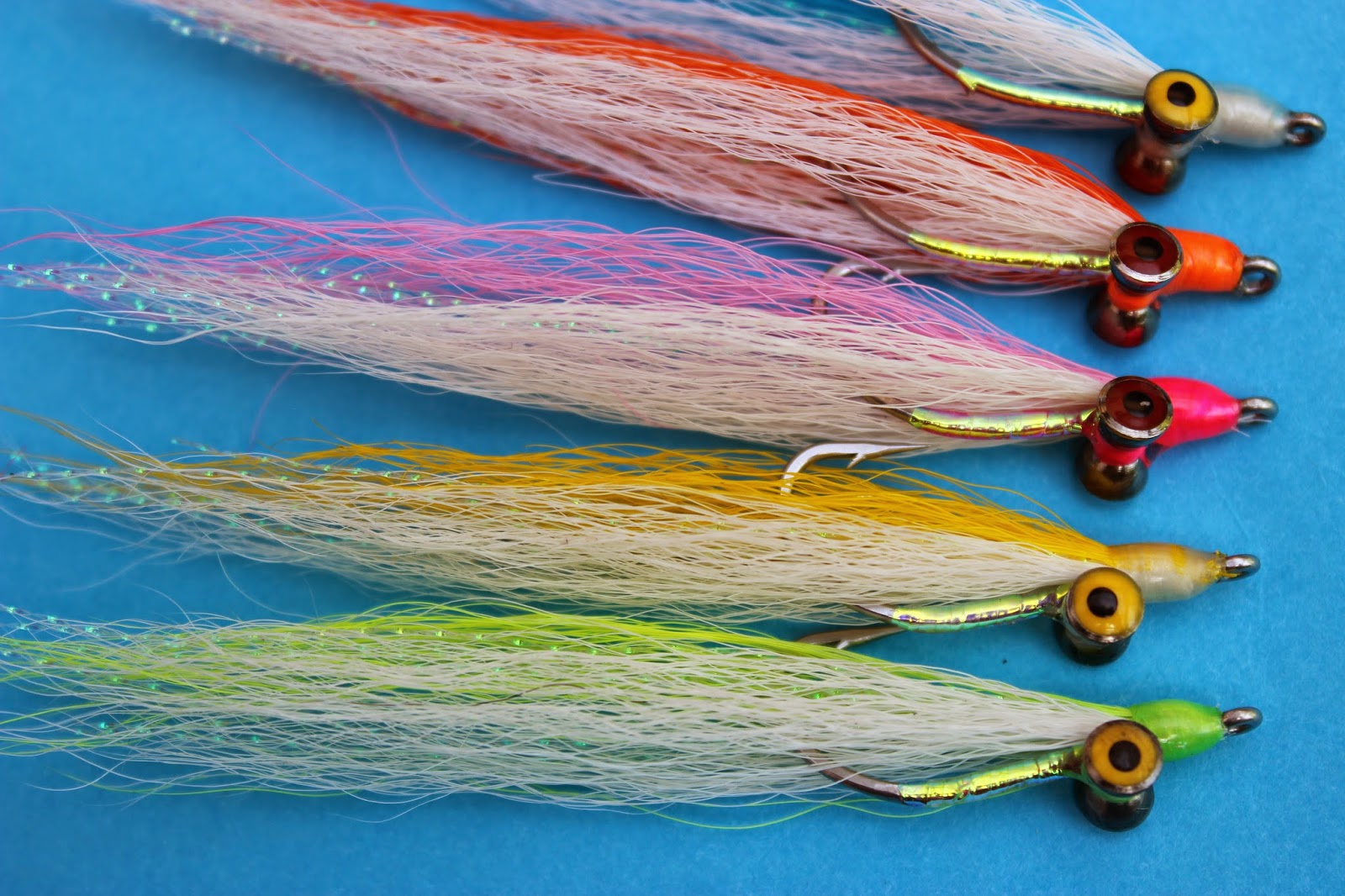
Silver Scales Fly Tying Clouser Minnow

SBS tutorial Flytying. flat wing Clouser minnow. Saltwater fly pattern
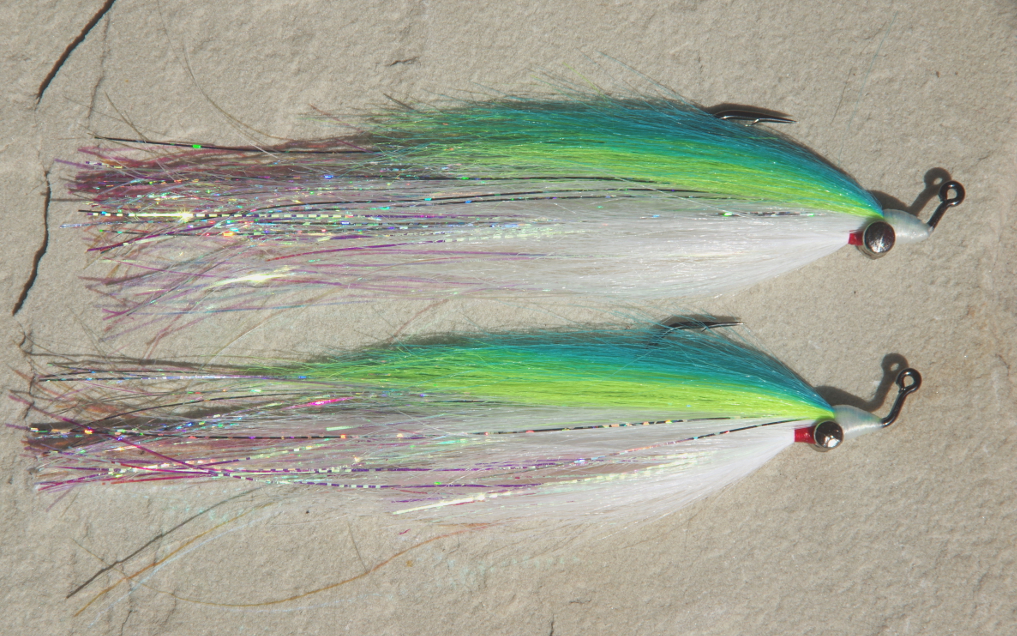
CLOUSER MINNOW DIFFERENT TYING OPTIONS Toflyfish
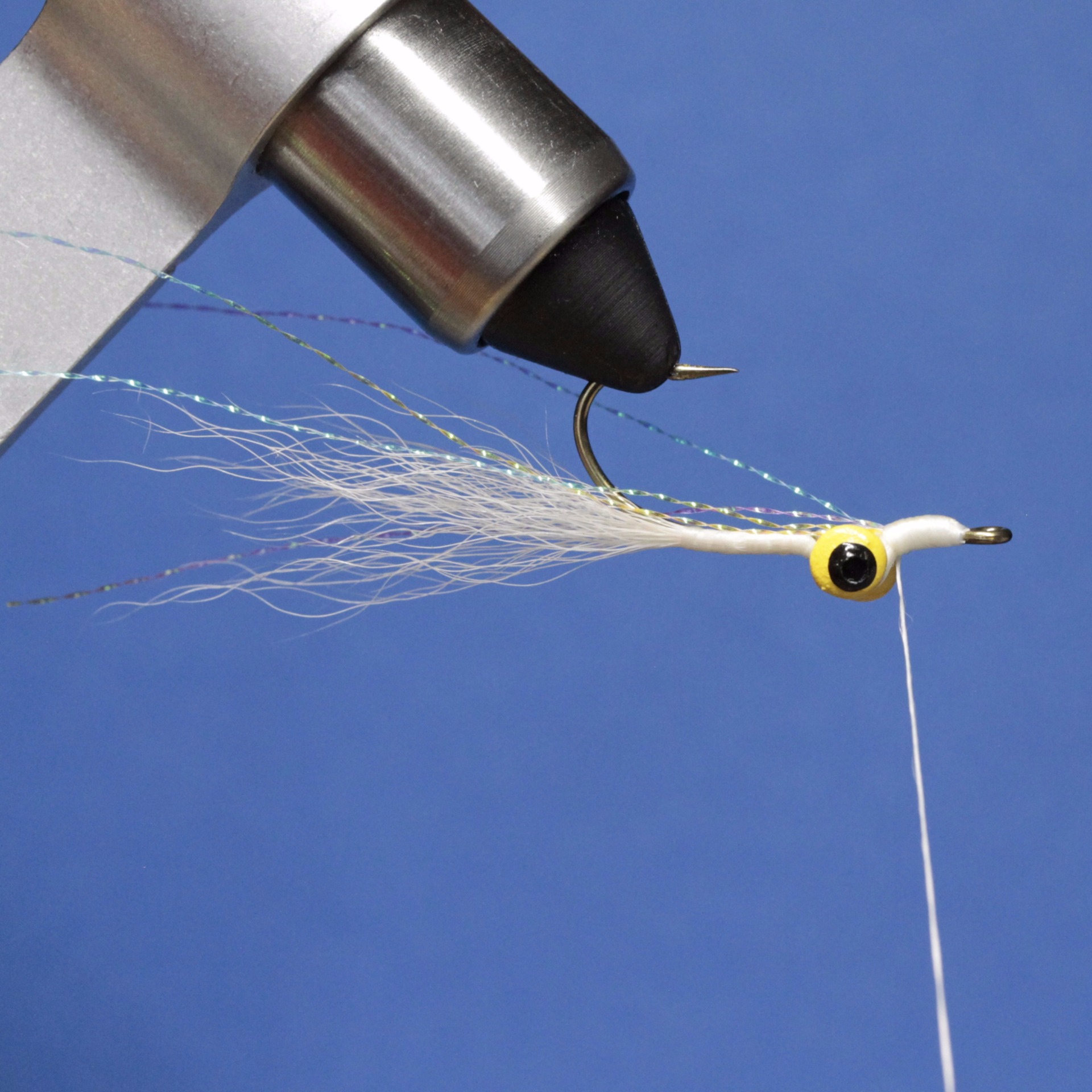
Clouser Minnow Tying Instructions Fly Tying Guide

Is this the BEST Clouser Minnow? Great Saltwater Predator Fly Fly
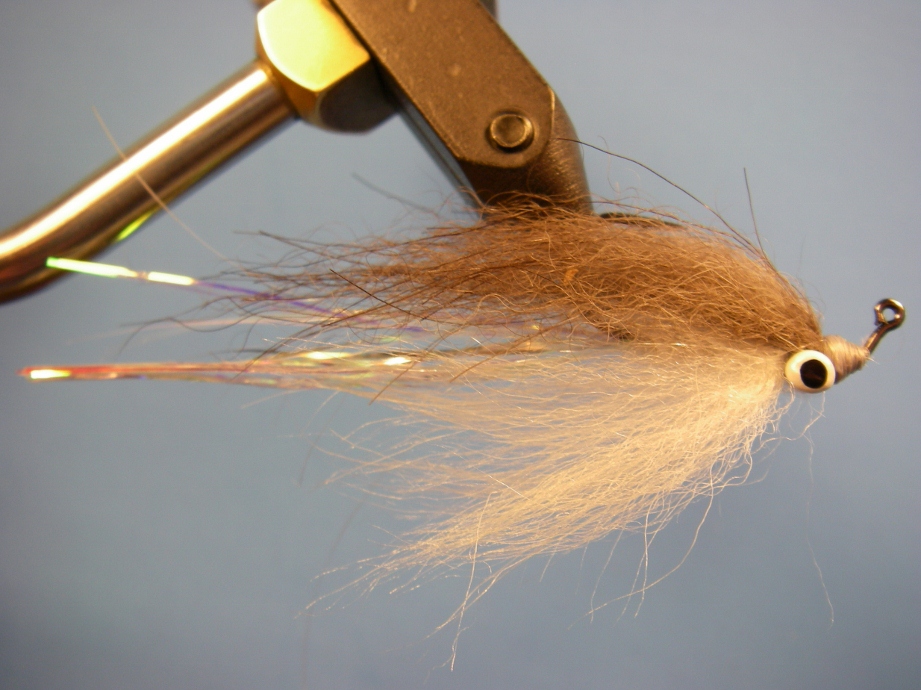
Flashtail Clouser Minnow Pattern Recipe

Silver Scales Fly Tying Clouser Minnow

Fly tying Bunny Clouser Minnow YouTube

Clouser Minnow Tying Instructions Fly Tying Guide

Simple Saltwater Flies No. 3 The Clouser Minnow
Best Of All, This Fly Is Quick And Easy To Tie.
Its Simplicity And Versatility Are A Huge Reason For This, And Because Of This.
The Eyes Tied On Top Of The Shank Cause The Hook To Move Through The Water Point Up That Produces A Jigging.
Most Of My Clouser Fishing, Whether For Smallmouth Bass Or Saltwater Estuaries Species, Is Done On My 8Wt Rod And Reel Setup With A Wf 9 Floating Rio Line.
Related Post: